

Avoid these mistakes when booking a South Kensington rubbish team
Posted on 31/07/2026

Booking a rubbish team should feel straightforward. But in South Kensington, where access can be tight, time windows can be awkward, and costs can climb quickly if you miss a detail, a simple booking can turn messy fast. If you want the job done cleanly, on time, and without last-minute surprises, it helps to know exactly what to avoid when booking a South Kensington rubbish team.
This guide walks you through the most common mistakes, the practical checks that matter, and the decisions that save time, money, and a fair amount of frustration. Whether you are clearing a flat, dealing with builders' waste, shifting old furniture, or planning a bigger house clearance, the same basics apply: ask sharper questions, compare properly, and do not assume anything.
Let's face it, a cheap quote is only cheap if it stays cheap.
Why avoiding booking mistakes matters
South Kensington is not the sort of place where a rubbish collection can be treated like a generic curbside pickup. Streets can be busy, parking can be limited, access may require careful timing, and many properties are in buildings where stairwells, lifts, and shared entrances all add a layer of complexity. A mistake at the booking stage can lead to extra labour charges, missed collections, delays, or even a team arriving that simply cannot do the work as expected.
There is also the question of trust. A reputable rubbish team should explain what is included, what is not included, and how the collection will happen on the day. If they are vague before the booking, that vagueness usually gets worse after the van arrives. That is why it pays to slow down a little and read the small print, even if you are in a hurry.
For property owners, landlords, businesses, and residents alike, the real risk is not just inconvenience. It is the chain reaction. A delayed clearance can hold up a move, slow down a refurbishment, affect a handover, or leave you dealing with a cluttered space for days longer than planned. If you are comparing options and want a broader sense of the services available, the services overview is a useful place to start before you book anything at all.
How avoiding these mistakes when booking a South Kensington rubbish team works
At its simplest, booking a rubbish team involves three stages: describing the waste, confirming the service, and arranging access. The tricky part is that each of those stages can hide assumptions. You might say "a few items," while the team imagines a van half full. You might mean "ground floor" but forget about three narrow flights of stairs. They may think parking is fine, but in South Kensington that can be wishful thinking.
A good booking process should feel structured. First, you tell the provider what needs to go, where it is, and when you need it collected. Next, they should confirm the likely load size, any exclusions, and any access issues. Then they give you a quote that explains the pricing method clearly. If that quote changes, you should know why before the team turns up.
This is also where local knowledge matters. A team that understands central London access, loading restrictions, and residential timing constraints can often give a much more realistic expectation from the start. For example, collections near busier routes or stations can be more sensitive to timing than people expect. If you want a practical local primer, see the South Kensington rubbish removal guide for SW7 residents.
Key benefits and practical advantages
When you avoid the usual booking mistakes, the upside is bigger than just saving a few pounds. You get a smoother day, fewer phone calls, and less risk of awkward surprises. The right booking also helps the team work faster, which is good for your schedule and, frankly, good for everyone involved.
- Clear pricing: fewer unexpected additions on the day.
- Better timing: the collection happens when you actually need it.
- Fewer access issues: the team arrives prepared for stairs, lifts, or parking limits.
- Less stress: you are not second-guessing what is included.
- Better disposal outcomes: items are handled more responsibly when the team knows what they are dealing with.
There is also a practical sustainability benefit. A team that sorts waste properly can divert more material into the right disposal streams, especially for items that can be reused, recycled, or separated. If environmental handling matters to you, the page on recycling and sustainability is worth a look.
Expert summary: The best booking is not the cheapest one at first glance. It is the one that defines the job clearly, matches your access conditions, and leaves very little room for guesswork.
Who this is for and when it makes sense
This advice applies to almost anyone arranging waste removal in the area, but it is especially useful if you are dealing with one of these situations:
- moving out of a flat or maisonette
- clearing a loft, basement, or storage room
- disposing of bulky furniture
- arranging builders' waste after renovation
- clearing an office or work area
- handling garden waste after maintenance
- preparing a property for sale, letting, or handover
If you are weighing up whether to clear now or later, the answer is usually simple: if clutter is blocking access, creating safety issues, or delaying another job, do it sooner. For property owners and anyone making a change to their living arrangement, this can fit neatly into wider planning too. You may find the local context in should you move to Kensington? and essentials for Kensington property deals helpful when you are thinking about timing and property readiness.
There is no shame in booking help for a small job either. Sometimes that one awkward sofa or broken wardrobe is exactly the thing you should not try to tackle alone. Your back will thank you. Honestly.
Step-by-step guidance
Here is a simple, practical way to book a rubbish team without falling into the common traps.
- List everything that needs removing. Be specific. "Mixed household rubbish" is less helpful than "one sofa, two mattresses, four black sacks, and some dismantled shelving."
- Photograph the waste. A few clear pictures often help the provider estimate load size more accurately.
- Note access details. Mention floor level, lift access, narrow staircases, parking limits, gate codes, and any time restrictions.
- Ask what is included. Check labour, loading, disposal, heavy lifting, congestion-related delays, and any additional charges.
- Confirm what cannot be taken. Some waste types may need special handling, so do not assume every item is accepted.
- Ask how pricing works. Is it load-based, item-based, or time-based? You want to know before the team arrives.
- Check timing carefully. Morning, midday, and late-afternoon slots can all behave differently in busy parts of London.
- Get the booking details in writing. Even a short confirmation message is better than memory alone.
If your collection involves a larger clearance, it can help to look at a more specific service page before you confirm. For example, a loft clear-out is not the same as a furniture-only pickup, and a builders' job needs a different approach again. The relevant pages for loft clearance, furniture disposal, and builders' waste disposal can help you match the job to the right service.
Expert tips for better results
In our experience, the best bookings come from customers who are a touch over-prepared. Not frantic. Just clear. If you send better information up front, you usually get a better quote and a smoother collection.
Be blunt about access
If parking is awkward or you are on a narrow street, say so. Do not soften it. A team that is used to London access issues will respect the honesty, and it may save everyone time on the day.
Separate fragile or reusable items
If there are items you want reused, donated, or handled carefully, keep them apart from general rubbish. This is especially useful in house clearances, office clearances, and partial moves.
Check the timing around local activity
South Kensington can feel surprisingly busy at certain times of day. Near stations, events, and high-traffic routes, a collection that seems easy on paper can become slow in practice. If your job is near a busy route or you are juggling multiple appointments, it helps to plan a buffer.
Choose clarity over optimism
People often underestimate load size. It happens. A few bags suddenly become a full van once they are stacked together. If you are unsure, ask the provider to explain how they size loads and what the price threshold looks like. The page on pricing and quotes is useful if you want to compare expectations before making a decision.
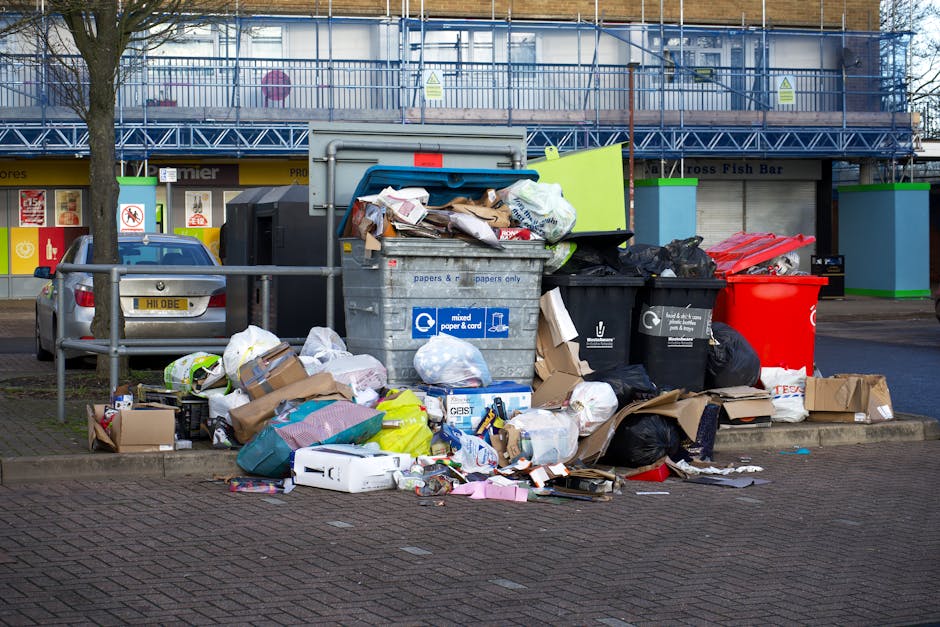
Common mistakes to avoid
This is the heart of it. If you avoid these errors, you are already ahead of most rushed bookings.
1. Choosing only on headline price
A low price means very little if it excludes labour, assumes easy access, or charges extra for items you thought were included. A fair quote is the one that explains itself.
2. Not checking what the team can actually take
Some items may need specialist handling, and some providers will not take certain materials at all. If you have mixed waste, ask early. Do not wait until the van is outside. That is a bad moment to discover a mismatch.
3. Forgetting to mention stairs or difficult access
This one causes endless irritation. A team may quote based on a normal ground-floor pickup, then discover three floors, a tiny landing, and a staircase that barely turns. Cue extra time, or extra cost.
4. Ignoring council and parking realities
In central London, a collection can be affected by local parking restrictions, loading rules, or bulky waste expectations. For nearby context, the article on Kensington and Chelsea Council rules for bulky rubbish is a useful companion read.
5. Not asking about hidden fees
Some companies are great on the phone and suddenly much less cheerful on the driveway. Ask about waiting time, congestion, parking, labour, heavy items, and off-site carrying. If you want the warning signs in more detail, read hidden fees to avoid with South Kensington rubbish removal.
6. Booking too late
Leaving it until the last minute can limit your options, especially for larger clearances or time-sensitive jobs. That is when people accept the first available slot, not the best one.
7. Not confirming the booking in writing
Even a short confirmation message matters. It gives you a record of the date, the agreed scope, and the basic cost structure. Nothing fancy. Just sensible.
Tools, resources and recommendations
You do not need a complicated system to book well. A phone, a few photos, and a short checklist are usually enough. Still, a little organisation goes a long way.
- Photos of every room or item pile: helps with load estimation.
- Measurements for bulky items: especially wardrobes, sofas, beds, and desk units.
- Access notes: floor, lift, parking, entry codes, and any restrictions.
- Task list: what must go, what should stay, and what you are unsure about.
- Booking confirmation: keep it handy on the day.
If the job relates to a specific type of clearance, use the right local service page to narrow things down before you book. For instance, house clearance is more suitable for full-property clear-outs, while office clearance is the better fit for workspaces and commercial items. If it is just a small collection, rubbish collection in South Kensington may be all you need.
And if you are still deciding whether you need a full clearance or a smaller collection, the broader waste clearance South Kensington page can help you think through the scope without overcommitting.
Law, compliance and best practice
Waste removal in the UK sits within a wider framework of duty of care, safe handling, and responsible disposal. You do not need to be an expert in the paperwork, but you should expect your provider to operate professionally and to explain how waste is handled. If a team is vague about disposal, insurance, or safety, that is a warning sign.
For customers, the safest approach is simple: use a reputable provider, describe your waste honestly, and keep a record of what was agreed. If you are arranging disposal for a business, a renovation, or a property in transition, that matters even more. Good practice is not just about avoiding fines or disputes. It is about making sure the waste leaves your property in a responsible way and does not come back as a problem later.
It is also smart to consider insurance and safety. A professional team should be able to handle lifting and loading without creating avoidable damage. If they are moving bulky items through narrow hallways or shared entrances, that needs care. The page on insurance and safety is worth reviewing if you want to understand that side of the service better.
One more thing: if you are clearing waste from a property near a busy street or loading area, timing and access should be planned carefully. That is common-sense best practice, but it matters a lot in South Kensington, where a rushed job can become a blocked pavement or a stressed neighbour very quickly.
Options, methods, or comparison table
Not every clearance needs the same approach. A quick comparison can help you choose the right booking style.
| Option | Best for | Pros | Watch out for |
|---|---|---|---|
| Small rubbish collection | General household or mixed bag waste | Fast, flexible, often simple to arrange | Can become costly if the load is bigger than expected |
| Furniture disposal | Sofas, beds, wardrobes, tables | Ideal for bulky single items or a few large pieces | Access and lifting issues can affect price |
| House clearance | Whole rooms, flats, or full properties | Good for larger, more complex jobs | Needs better planning and clear item lists |
| Loft clearance | Stored items and awkward access spaces | Useful for cluttered upper spaces | Stairs, dust, and poor access can slow the job |
| Builders' waste disposal | Renovation and trade waste | Suitable for rubble, offcuts, and construction debris | Material type and volume must be described accurately |
If you are dealing with a project that includes renovations, you may also want to look at builders' waste disposal in South Kensington before you compare quotes. That keeps expectations realistic.
Case study or real-world example
A fairly typical scenario goes like this. A resident in South Kensington books a rubbish team for "a few items" before a flat move. On the day, the team finds a sofa, dismantled shelving, a broken bed frame, bags of mixed rubbish, and a couple of heavy boxes from the spare room. The collection still happens, but it takes longer than expected and the final price is higher than the initial impression suggested.
Now compare that with a better-prepared booking. The customer sends photos, explains that there are two floors, mentions restricted parking, and lists the bulky items separately. The provider quotes more accurately, arrives prepared, and the job is done without haggling on the doorstep. Same area. Same type of waste. Very different outcome.
That is why details matter. Not dramatic details. Just the normal, practical sort: access, item count, parking, and timing. Boring? Maybe. Useful? Absolutely.
Practical checklist
Use this before you confirm the booking.
- Have I listed every item or waste type clearly?
- Have I sent photos or a realistic description?
- Did I mention stairs, lifts, parking, and entry restrictions?
- Do I understand what is included in the quote?
- Do I know which items may need special handling?
- Have I checked the booking time against my schedule and local access issues?
- Do I have the confirmation in writing?
- Have I compared the quote with at least one other option where sensible?
- Do I know whether this is a rubbish collection, furniture disposal, house clearance, or another service?
- Am I comfortable that the provider seems clear, responsive, and professional?
If you can tick most of those off, you are in good shape. If not, pause for five minutes and ask the missing questions. It is a tiny effort now that can save a proper headache later.
Get a free quote today and see how much you can save.
Conclusion
Booking a South Kensington rubbish team should not feel like a gamble. The best results come from being specific, realistic, and a little bit cautious at the outset. That means checking access, confirming pricing, understanding what is included, and not assuming a team can handle every item without prior notice.
Once you stop treating the booking as a quick yes/no decision and start treating it like a small planning task, everything gets easier. The quote makes more sense. The collection runs more smoothly. And you are far less likely to end up standing in the hallway at 8:15 on a wet Tuesday wondering why the job suddenly got complicated.
Truth be told, that calm, organised feeling is the real win. The rubbish goes. The space opens up. Life carries on a little lighter.
 Tipper Van - Rubbish Removal and Rubbish Clearance Prices in South Kensington, SW7
 Luton Van - Rubbish Removal and Rubbish Clearance Prices in South Kensington, SW7

