

Kensington and Chelsea council rules for bulky rubbish
Posted on 12/06/2026
Kensington and Chelsea council rules for bulky rubbish: a practical guide for residents, landlords, and businesses
If you are dealing with an old sofa, a broken wardrobe, a mattress that has finally given up, or a pile of mixed household items that simply will not fit in the normal bin, the Kensington and Chelsea council rules for bulky rubbish can feel a bit more confusing than they should. That is usually the moment people start asking: what counts as bulky waste, what is allowed, and what is the quickest legal way to get rid of it without causing hassle for neighbours or your block manager?
This guide breaks it down in plain English. We will cover how bulky rubbish disposal generally works in Kensington and Chelsea, why the rules matter, what mistakes to avoid, and when a professional clearance service may be the easier option. If you live in a flat off the King's Road, manage a rental near Earl's Court, or you are clearing a family home in Notting Hill Gate, the practical points are much the same. A lot of it is about timing, access, and making sure the waste is handled properly. Simple enough on paper. In real life, not always.
We will also share a step-by-step approach, a comparison of common options, and a checklist you can use before you book anything. If you want a broader look at local waste support, you may also find our services overview helpful for understanding what can be arranged locally.
Why Kensington and Chelsea council rules for bulky rubbish Matters
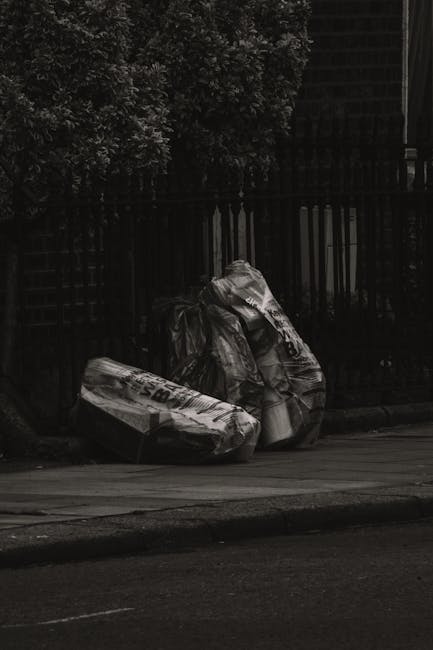
Bulky rubbish is not just "big waste". In a borough like Kensington and Chelsea, where streets are busy, pavements can be narrow, and many homes are in mansion blocks or converted buildings, a badly handled item can become an eyesore, a hazard, or a neighbour dispute very quickly.
The rules matter for a few very practical reasons. First, bulky items left out incorrectly can block access for pedestrians, wheelie bins, prams, and mobility aids. Second, if items are placed out too early, they may attract fly-tipping, damp, pests, or opportunistic scavenging that leaves a mess behind. And third, waste that is not disposed of properly can result in avoidable charges or enforcement action. Nobody wants that over a tired bookshelf.
There is also a legal side. Under UK waste rules, householders still have a duty of care: waste should be passed to someone authorised to collect and handle it. In practical terms, that means you should not hand bulky rubbish to the first person who knocks on the door offering a cheap uplift. If it ends up dumped somewhere, the headache can come back to you. Bit grim, but true.
On the upside, following the borough's process, or choosing a reputable clearance route, usually makes the whole thing surprisingly straightforward. If you are working through a house move or decluttering project, our article on whether you should move to Kensington touches on the realities of local living, and that includes how much stuff people accumulate in a few years.
Expert summary: the safest approach is to identify the item, check whether it can be collected through the council or a clearance provider, prepare it properly, and keep a record of who took it away. That last part is often overlooked.
How Kensington and Chelsea council rules for bulky rubbish Works
The council approach to bulky waste generally centres on items that are too large for ordinary household bins. Think furniture, mattresses, white goods, and similar household objects. The exact list can change by service type, but the principle is consistent: bulky waste is collected separately from your normal refuse and recycling.
In practice, you usually need to consider four things: what the item is, whether it is accepted, how it must be presented, and whether there is a booking or collection window. A single item can sometimes be handled differently from a full house clearance. That is where people get caught out. A garden chair and a three-piece suite are not the same beast, despite both being "rubbish" in everyday speech.
Most bulky waste systems are designed to deal with items that can be lifted by a small team and loaded safely. Items may need to be bagged, tied, dismantled, or separated if they contain different materials. For example, a wardrobe with glass doors, metal runners, and chipboard panels is easier to remove when taken apart first. It also makes recycling more likely, which is always a plus.
There is another important point: bulky rubbish should not be abandoned on pavements, in communal bin stores, or beside railings unless it is specifically placed out for an arranged collection and you have followed the instructions exactly. In dense parts of the borough, that can turn into a very quick problem. One missed step, and your tidy clear-out becomes a street-level nuisance by breakfast.
If you have a one-off larger job, such as post-refurbishment debris or a mixed load from a property turnover, you may also want to compare council-style collection with a specialist service like waste clearance in South Kensington. The right choice depends on access, timing, and how much sorting you want to do yourself.
Key Benefits and Practical Advantages
Using the correct bulky rubbish route brings more than just convenience. It can save time, reduce stress, and stop you from accidentally creating a problem for the building or the street. In Kensington and Chelsea, where shared entrances and parking restrictions are a fact of life, that matters more than people realise.
- Cleaner kerb appeal: bulky items are removed in a controlled way, instead of sitting out on the pavement for hours.
- Less risk of fly-tipping: properly arranged disposal reduces the chance that waste is dumped by someone else.
- Better recycling outcomes: a proper clearance process can separate reusable and recyclable materials.
- Less disruption to neighbours: a planned uplift is quieter and more orderly than an improvised last-minute dump.
- Lower personal risk: you are less likely to injure yourself dragging a heavy sofa down stairs or across a courtyard. And yes, a sofa can absolutely win that fight.
For landlords and property managers, the benefit is even more obvious. A well-run bulky collection can help you turn around a flat faster and keep communal areas in good condition. If you deal with end-of-tenancy clear-outs often, our house clearance South Kensington page may be useful for larger domestic jobs.
There is a quiet financial benefit too. Messy disposal tends to create hidden costs: extra labour, repeated trips, access delays, and occasional damage to walls or lifts. A clean process usually costs less overall, even if it looks slightly more expensive on the day.
Who This Is For and When It Makes Sense
This topic is relevant to more people than you might think. It is not only for homeowners with a garage full of old furniture. In Kensington and Chelsea, bulky waste issues show up in flats, mews houses, offices, schools, event venues, and rental properties all the time.
Typical people who need bulky rubbish removal
- Tenants leaving behind furniture or damaged items
- Landlords preparing a property for new occupants
- Homeowners replacing sofas, beds, wardrobes, or appliances
- Office managers clearing desks, chairs, filing cabinets, and storage units
- Builders and decorators dealing with awkward leftover materials
- Event organisers removing temporary equipment after a venue hire
It makes sense to use a bulky rubbish option when the load is too large for a normal bin, too awkward for a car boot, or too time-sensitive to leave sitting around. If the stairwell is tight, the lift is small, or parking is a nightmare, that is usually your sign to stop improvising and make a proper plan.
For specific material types, specialist disposal can be even more sensible. For example, old wardrobes or dining sets are often best handled through a furniture disposal service in South Kensington, while loft clutter is often easier to manage as a larger clearance project. If that sounds familiar, the loft clearance South Kensington option may fit better than a one-item collection.
Step-by-Step Guidance
Here is the practical route we recommend. It keeps the job manageable and avoids the most common mistakes.
- List every item you want removed. Don't just say "a few bits". Write them down. Sofa, mattress, broken chest of drawers, two office chairs, a lamp, and so on.
- Separate bulky items from general rubbish. Loose bags, recyclables, and sharp offcuts should not be mixed into the same pile if they can be avoided.
- Check access first. Measure doorways, note stairs, and think about parking. In a basement flat or top-floor conversion, access can be the real story.
- Decide whether the council route or a clearance service is better. If it is a small, straightforward collection, the council pathway may suit you. If access is awkward or the pile is larger, a specialist may be the easier solution.
- Prepare the items. Remove personal belongings, empty drawers, and dismantle anything that will safely come apart.
- Book the collection in advance. Last-minute arrangements can be stressful, especially around weekends or moving days.
- Place items exactly as instructed. Whether they are going to a collection point or being removed directly from inside the property, follow the instructions carefully.
- Keep records. Save the booking confirmation, invoice, or collection note. Small detail, big peace of mind.
For many people, the real win is simply having a system. Once you know what is leaving and how it will be handled, the rest tends to fall into place. Not always elegantly, but it works.
Expert Tips for Better Results
A few local habits make bulky rubbish removal much smoother in Kensington and Chelsea.
Tip 1: book around your building's quiet hours. If you live in a block with neighbours working from home or with strict porter arrangements, time the collection to reduce disruption. You can hear the difference in a hallway when a wardrobe is being manoeuvred, so timing matters more than people think.
Tip 2: dismantle anything awkward before collection day. Flat-pack furniture, bed frames, and shelving units are much easier to move in smaller sections. That can also reduce the amount of room the waste takes up in the vehicle, which is helpful all round.
Tip 3: keep recyclable and reusable items separate. A table with one damaged leg may still have salvage value. Sometimes it is worth pausing before you throw everything into one pile.
Tip 4: think about neighbours and shared areas. In communal blocks, leaving items in hallways or lift lobbies is rarely a good look. It can also create complaints very quickly. We have seen jobs delayed simply because a sofa was wedged in the wrong place.
Tip 5: ask clear questions about what is included. If you are getting help with removal, ask whether labour, loading, transport, and disposal are all covered. For a bit more context on pricing clarity, see pricing and quotes. It is better to ask twice than be surprised once.
Tip 6: be honest about the load size. Underestimating the amount of waste is one of the fastest ways to create delays. If you think it is "probably only a couple of items", count them properly. Reality has a way of expanding the pile by about 40% after a quick look in the cupboard.
Common Mistakes to Avoid
Most bulky rubbish problems are avoidable. The tricky part is that they look harmless at first.
- Leaving items out too early: this can cause obstruction, complaints, or weather damage.
- Mixing prohibited materials with general bulky waste: some items need separate handling.
- Assuming every collection service takes everything: always check what is accepted.
- Forgetting access restrictions: parking, lifts, stairwells, and entry codes all matter.
- Using an unlicensed or unclear operator: if waste is dumped illegally, the problem can come back to you.
- Not checking for hidden extras: extra floors, heavy lifting, and difficult access can change the final cost.
If you want to understand how those extra charges creep in, our guide on hidden fees to avoid with South Kensington rubbish removal is worth a look. It covers the kind of small print that can turn a straightforward booking into a headache.
A smaller but common mistake is trying to deal with everything at once without sorting the useful from the useless. Truth be told, a quick declutter before collection can save a surprising amount of time.
Tools, Resources and Recommendations
You do not need a complicated toolkit to handle bulky waste well, but a few basic items help.
- Measuring tape: useful for checking whether large items will fit through doors and stair turns.
- Marker pens and labels: good for separating "keep", "donate", "recycle", and "remove".
- Strong gloves: sensible if you are moving broken or dusty items.
- Basic screwdriver or Allen key set: handy for dismantling furniture.
- Booking notes or photos: useful if you want to confirm exactly what is being collected.
On the planning side, a good resource is often your own property layout. Sounds obvious, but people forget to think about the route from the room to the vehicle. A narrow hallway or a shared entrance can change everything.
If your bulky rubbish is part of a bigger decluttering project, you may find these related local pages useful:
- rubbish collection in South Kensington for straightforward local pickups
- office clearance support if you are removing desks, chairs, and filing cabinets
- garden waste removal if the bulky load includes outdoor debris
For a broader understanding of how a local provider works, you can also read about us and recycling and sustainability. Those pages are useful if you care about how waste is processed after it leaves the property, which many people do these days. Quite rightly.
Law, Compliance, Standards and Best Practice
Bulky rubbish is not only a practical issue; it is a compliance issue too. While the exact rules and collection methods can change, a few underlying UK principles stay constant.
First, household waste should only be given to someone who is authorised to take it away. If someone offers to remove your sofa for cash and cannot explain where it will go, that is a red flag. Second, waste should not be left on pavements, roads, or communal areas in a way that creates obstruction or danger. Third, some items may need special handling because they contain materials that are hazardous, heavy, sharp, or difficult to recycle.
Best practice is simple: identify the waste, separate special items, keep it off shared routes until collection, and use a traceable removal method. For rented homes and managed buildings, it is also wise to check the building's own waste rules. Some blocks have strict collection windows, porter instructions, or storage arrangements, and ignoring those can cause more trouble than the rubbish itself.
If you are unsure whether something counts as bulky waste or needs separate treatment, ask before moving it. That small pause can prevent a lot of backtracking. And yes, it saves your back as well.
Options, Methods, and Comparison Table
There is no single best way to deal with bulky rubbish. The right choice depends on how much you have, how fast it needs to go, and how awkward the property is.
| Option | Best for | Pros | Watch out for |
|---|---|---|---|
| Council bulky waste collection | Simple household items and small loads | Structured, familiar, often suitable for straightforward clear-outs | May have booking limits, item restrictions, or collection rules |
| Private bulky waste removal | Mixed loads, awkward access, larger items | Flexible timing, loading help, usually quicker | Costs can rise if the quote is not clear |
| DIY disposal | Very small loads with easy transport | Full control over timing | Heavy lifting, parking, and disposal site logistics can be a pain |
| Reuse or donation | Items in usable condition | Useful, sustainable, and often satisfying | Not all items are acceptable, and timing can be unpredictable |
For many local residents, the most practical choice is a professional removal team when the item is heavy, the access is awkward, or there are several pieces to move at once. If you are comparing broader domestic services, the waste clearance South Kensington page gives a useful sense of what a fuller service can cover.
Case Study or Real-World Example
Imagine a top-floor flat near a busy Kensington road. The resident has a double mattress, a broken wardrobe, a coffee table, and a few boxy bits from a recent room refresh. On paper, not too bad. In reality, the staircase is tight, the lift is small, and the front entrance opens straight onto a pavement with constant foot traffic.
If they tried to handle it ad hoc, they would likely move one item at a time, block the hallway, and risk upsetting neighbours. The smarter route is to list the items, check access, dismantle the wardrobe where possible, and arrange a collection window that fits the building. The result is calmer, quicker, and far less likely to create a scene in the shared entrance at 8:30 on a wet Tuesday morning.
That is the pattern we see repeatedly. The waste itself is often not the hardest part. It is the logistics around it. Once the access and timing are sorted, bulky rubbish becomes much less of a drama.
Practical Checklist
Use this before you book or move anything.
- Identify each bulky item clearly
- Separate reusable, recyclable, and general waste
- Check whether any item needs special handling
- Measure doors, stairs, lifts, and hallways
- Confirm parking or loading access
- Remove personal belongings from furniture
- Dismantle items where safe and practical
- Confirm the collection date and time window
- Keep confirmation or collection records
- Make sure shared areas are left clean and clear
If your job is larger than a few items, you may also want to review a related local service such as house clearance in South Kensington or builders waste disposal, depending on what is being removed. That is often the difference between a rushed job and a smooth one.
Conclusion
The main thing to remember about Kensington and Chelsea council rules for bulky rubbish is that the process is designed to keep streets safe, buildings tidy, and disposal responsible. Once you understand what counts as bulky waste, how access affects collection, and why proper handling matters, the whole subject becomes much less intimidating.
For simple jobs, the council route may be enough. For larger, heavier, or more awkward clear-outs, a specialist removal service is often the easier and cleaner option. Either way, the winning formula is the same: sort it, prepare it, and get it moved without leaving a mess behind. That is really what people want, if we are honest.
Get a free quote today and see how much you can save.

 Tipper Van - Rubbish Removal and Rubbish Clearance Prices in South Kensington, SW7
 Luton Van - Rubbish Removal and Rubbish Clearance Prices in South Kensington, SW7

