

Rubbish collection outside South Kensington Station common problems
Posted on 15/05/2026
Rubbish collection outside South Kensington Station common problems: what goes wrong and how to handle it
If you have ever stood near South Kensington Station at the wrong moment, you will know the scene can change fast: commuter footfall, delivery vans edging in, black bags left a little too long, and a pavement that suddenly feels much narrower than it looked five minutes earlier. Rubbish collection outside South Kensington Station common problems are usually not mysterious, but they are very real. Timing, access, waste type, and busy local traffic all play a part. Get one detail wrong and a simple collection can become slow, messy, or awkward for everyone nearby.
This guide explains the typical issues people run into, why they matter, and what a sensible collection process looks like in a busy SW7 setting. Whether you are clearing a flat, managing a shop, handling office waste, or sorting a one-off bulky item, the practical steps below should help you avoid the usual headaches. To be fair, most problems are preventable once you know where they tend to happen.

Why Rubbish collection outside South Kensington Station common problems Matters
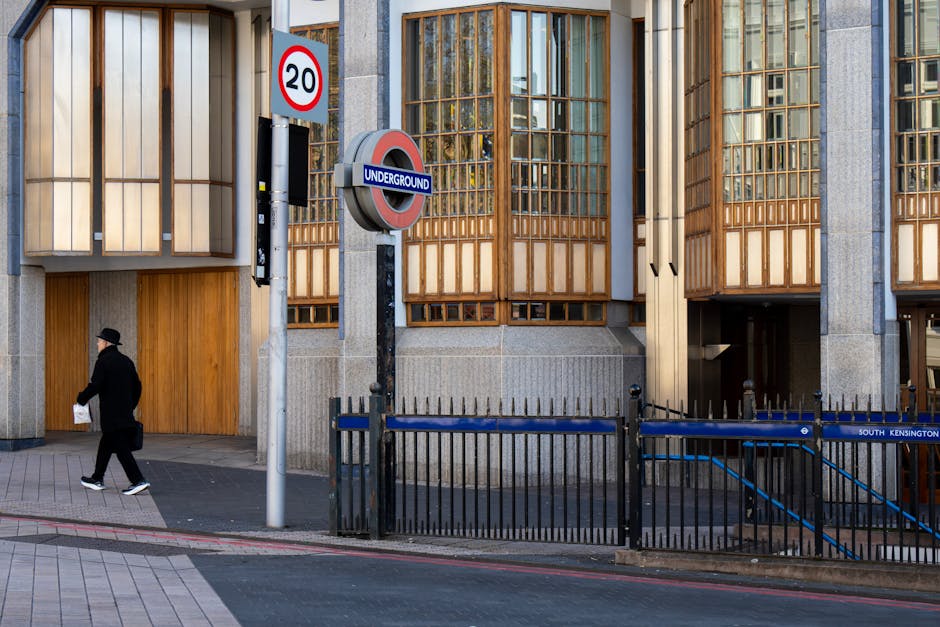
The area around South Kensington Station is busy, tightly used, and visually sensitive. That combination makes rubbish collection more challenging than in a quieter residential street. A collection that works fine on a side road can quickly go wrong outside the station because of pedestrian flow, limited waiting space, narrow pavements, and the simple fact that everyone is trying to move at once.
Why does that matter? Because rubbish left in the wrong place can create more than an untidy look. It can block access, attract scavenging birds or pests, slow down businesses, and create complaints from neighbours, tenants, or passers-by. In a district like Kensington, where presentation and practicality both matter, these little friction points are rarely little for long.
There is also a commercial side. If you are running a business nearby, a clumsy collection can disrupt opening hours, affect first impressions, and force staff to spend time moving waste in and out. If you are a homeowner or landlord, delays can make a clearance feel never-ending. If you are preparing a property for sale or let, that sort of delay is especially frustrating. For broader local context, some readers also find it useful to look at this South Kensington rubbish removal guide for SW7 residents alongside the practical advice here.
Expert summary: Near South Kensington Station, the biggest rubbish collection problems are usually not about the waste itself. They are about timing, access, sorting, and the realities of a very busy street environment.
How Rubbish collection outside South Kensington Station common problems Works
In practice, collection near the station usually follows one of a few patterns. Waste may be placed out for a pre-booked pickup, removed from a nearby property, or collected from a controlled loading point if access allows. The best arrangement depends on how much waste there is, what type it is, and whether the vehicle can stop safely and legally.
The common problems start when one of those moving parts is off. For example, if bags are left out too early, they can spread across the pavement or attract attention before the vehicle arrives. If bulky items are not broken down, they can take too long to load. If the collection window clashes with rush hour, you may find the street is too congested for efficient removal. It sounds simple, but these are the everyday snags that cause the most wasted time.
Waste type matters too. General household rubbish is handled differently from furniture, office clearances, builders waste, or green waste. A collection crew may need separate sorting for recyclable materials, and certain items require special handling. If you are unsure, it is usually better to ask first than guess. Guessing tends to create a pile of "almost sorted" waste, which is nobody's favourite thing on a wet London morning.
If you are planning a larger clearance, the related service pages on waste clearance in South Kensington and rubbish collection in South Kensington can help you compare what is typically included.
Key Benefits and Practical Advantages
When rubbish collection is planned properly outside South Kensington Station, the benefits are easy to feel. The pavement stays clearer, the collection is quicker, and there is less chance of drawing complaints or causing a snag with traffic and pedestrians. The whole thing just feels calmer. And in a busy part of London, calm is underrated.
- Less disruption: A tighter collection window means less time spent moving items around or waiting for access.
- Better presentation: Helpful for shops, offices, rental properties, and homes that need to look tidy fast.
- Safer handling: Proper loading and sorting reduce the risk of dropped items or awkward lifting.
- Better recycling outcomes: Clear separation of reusable and recyclable waste supports more responsible disposal.
- Fewer neighbour issues: The less waste sits outside, the less likely it is to become a complaint.
There is also a quiet practical advantage: well-organised collections tend to save time for everyone involved. That includes building managers, office teams, landlords, and residents who simply want the job finished without three extra trips up and down the stairs.
If your priority is responsible disposal, take a look at recycling and sustainability as well. It is a useful reminder that a good collection is not just about removing waste; it is about sending it to the right place afterwards.
Who This Is For and When It Makes Sense
This topic matters to a pretty broad group of people. A lot broader than you might think, actually. It is relevant if you are:
- a resident with a one-off household clearance;
- a landlord between tenants;
- a shop or cafe manager dealing with daily waste pressure;
- an office manager clearing out old furniture or files;
- a homeowner preparing to move, renovate, or declutter;
- a contractor with builders waste that cannot simply sit around outside;
- someone clearing a loft, garage, or storage space nearby.
It also makes sense when access is tricky. South Kensington Station is not the sort of place where you want to discover, halfway through, that the vehicle cannot stop where you expected it to. If you are planning a wider move or property change, you may also find this guide on whether you should move to Kensington and these essentials for Kensington property deals helpful for the bigger picture.
Sometimes the need is obvious. Other times it sneaks up. A room fill-up here, a broken wardrobe there, then suddenly there is a pile that needs shifting before the weekend. Truth be told, that is how many clearances begin.
Step-by-Step Guidance
If you want a collection near South Kensington Station to go smoothly, keep the process simple and deliberate. Rushing usually causes the problems people later complain about.
- Identify the waste type. Separate household rubbish, furniture, office items, garden waste, and builders waste where possible.
- Check access. Measure doors, stairwells, and any loading space. If the street is tight, think about where the vehicle can realistically stop.
- Decide what must go. Be ruthless but practical. If it is staying, move it out of the way before collection day.
- Bag or bundle smaller items. Loose waste is harder to move and more likely to spill.
- Break down bulky items. A wardrobe in pieces is much easier than a whole wardrobe wobbling near the kerb.
- Choose a sensible time slot. Avoid the busiest periods where possible. Earlier slots can be easier, depending on access.
- Keep the collection point clear. Make sure doors, paths, and pavement edges are not blocked.
- Confirm disposal requirements. Ask about any restricted items before collection day.
- Check the handover. Once collected, make sure no small debris or packaging has been left behind.
A small but important detail: if the rubbish is being left outside a property or on shared access land, make sure you are allowed to do that. A lot of people assume a pavement spot is fine because "it's only for an hour." Then an hour becomes half a day, and that is where the awkwardness starts.
Expert Tips for Better Results
In our experience, the best collections near busy stations come down to preparation more than muscle. Anyone can move waste. Not everyone can do it without a faff.
1. Photograph the waste before booking
A few clear photos help assess the volume, type, and access needs. That usually means a more realistic plan and fewer surprises on the day. If you have mixed waste, include a shot of the awkward items too, not just the neat pile.
2. Put the difficult items first
Heavy, awkward, or fragile items should be dealt with early in the collection plan. That might mean old sofas, broken cabinets, or office chairs with metal frames. If a crew can see the tricky bits first, they can load in the right order.
3. Keep neighbours and building users in the loop
If waste will be outside for any period, a quick heads-up can prevent a small complaint from becoming a bigger one. This is especially useful for shared entrances, managed blocks, or properties near a station exit where footfall is constant.
4. Match the service to the waste
Builders waste, garden cuttings, furniture, and loft junk all behave differently. A specialised service often works better than a generic one. For example, builders waste disposal in South Kensington is a better fit for renovation debris than a standard general collection.
5. Ask how recyclable items are handled
If you have reusable items, ask whether they can be separated. Good disposal practice does not have to be complicated, and a little sorting before collection can make a real difference.
One more thing: if the first plan seems too tight, it probably is. Better to adjust the timing than to improvise on a crowded pavement with bags in your hand and a bus behind you. Not ideal, obviously.
Common Mistakes to Avoid
Most collection problems near South Kensington Station are predictable. That is the slightly annoying bit, because it means they could have been avoided. Still, it also means you can learn from them.
- Leaving waste outside too early. This makes the area look messy and can create obstruction before pickup.
- Underestimating volume. What looks like "just a few bags" often turns into a full load once it is gathered together.
- Mixing everything together. Mixed waste is slower to sort and can complicate disposal.
- Ignoring access constraints. Narrow roads, parking restrictions, and peak pedestrian traffic all matter.
- Forgetting about awkward items. Mattresses, wardrobes, desks, and broken appliances need more thought than smaller bags.
- Not checking what can be taken. Some waste streams require separate handling or special arrangements.
- Choosing convenience over compliance. A quick fix that leaves waste somewhere unsuitable can create a bigger problem later.
A useful rule of thumb: if you would not be happy seeing the pile there for two hours, do not plan for two hours. That sounds a bit obvious, but it saves people a surprising amount of trouble.
Tools, Resources and Recommendations
You do not need a warehouse full of equipment for a successful collection, but a few simple tools make life easier. Most of these are low-tech, which is refreshing for once.
- Heavy-duty bin bags for smaller loose items.
- Straps or tape to keep bundles together.
- Gloves for safe handling of sharp or dusty materials.
- Trolley or sack barrow if items must be moved from a property to a vehicle.
- Labels or notes to separate keep, recycle, and dispose piles.
- Phone camera to document the load and access point.
For service planning, the most useful resources are usually the ones that explain scope clearly. A page like the services overview can help you see what type of clearance is suitable. If you are comparing different jobs or want to understand value more clearly, pricing and quotes is also worth a look.
And if you want some reassurance about the people handling your waste, it can be sensible to review about the company and insurance and safety details before booking. That is just good practice, really.
Law, Compliance, Standards and Best Practice
Waste collection in the UK is not just a matter of "put it out and hope for the best." Even when the job looks small, the usual responsibilities still apply: waste should be handled safely, transported responsibly, and disposed of through proper channels. If you are a business, the standards can be even more important because duty of care and record-keeping become part of the picture.
Near South Kensington Station, best practice also includes keeping pavements clear, avoiding unsafe stacking, and making sure waste does not create a trip hazard or block access routes. That matters for pedestrians, people with pushchairs, wheelchair users, and anyone who already finds crowded pavement space stressful. In a dense urban area, accessibility is not an afterthought; it is part of the job.
If you are dealing with office or commercial waste, it is wise to keep documentation in order and work only with a provider that understands responsible disposal. For broader trust and governance reading, the site also provides pages such as terms and conditions, payment and security, and modern slavery statement, which can help you check how the business presents its standards.
One practical note: if you are unsure whether a particular item needs special handling, ask before moving it outside. That simple question can prevent a compliance headache later. Better safe than scrambling.
Options, Methods and Comparison Table
Not every rubbish job near South Kensington Station needs the same approach. The right method depends on waste volume, urgency, access, and how much sorting you want to do yourself.
| Method | Best for | Advantages | Potential drawbacks |
|---|---|---|---|
| Bagged curbside collection | Small household waste | Quick, simple, low effort | Can be messy if left out too long or overfilled |
| Pre-booked private collection | Mixed domestic or commercial rubbish | Flexible timing, less stress, tailored loading | Needs good access planning and clear instructions |
| Bulky-item removal | Furniture, appliances, awkward items | Safer for large objects, less manual strain | May require dismantling or special handling |
| Full property clearance | Moves, refurbishments, probate, voids | Comprehensive, efficient, less back-and-forth | Needs more planning and a realistic time window |
| Specialist builders waste collection | Renovation debris, rubble, offcuts | Proper handling for heavy materials | Not suitable for mixed household waste without sorting |
If you are dealing with a bigger clear-out, services such as house clearance, office clearance, furniture disposal, or loft clearance may be the better fit. That depends on what is actually sitting there, not just what it looks like from the doorway.
Case Study or Real-World Example
Here is a realistic example. A small flat and a nearby home office both needed clearing after a tenant move-out and some furniture replacement. The owner initially thought the job would be a quick bag-and-go collection. But the waste included a broken desk, packaging, two bulky chairs, a mattress, and several bags of mixed household items. The first issue was access: the pickup point was close to a busy stretch near South Kensington Station, and the window overlapped with a peak pedestrian period.
Instead of leaving everything outside early, the items were sorted inside first, then moved out in stages with the heaviest pieces ready to go first. The desk was dismantled, recyclable cardboard was flattened, and the bags were kept tied and compact. The collection was completed faster than the original guess, and the pavement stayed usable. Nothing dramatic happened, which is exactly what you want. No fuss, no odd pile left behind, no morning-long blockage.
The takeaway was simple: the problem was never the rubbish itself. It was the mismatch between what the collection needed and how the street behaved. Once the timing and sorting were adjusted, everything became easier.
Practical Checklist
Use this before any collection outside or near South Kensington Station:
- Have I identified every item that needs removing?
- Have I separated general waste, recyclables, bulky items, and special waste?
- Have I checked access, parking, and collection timing?
- Are the bags tied, secure, and easy to lift?
- Have I broken down large items where possible?
- Do I know what cannot be collected without special arrangement?
- Have I kept pathways and exits clear?
- Have I told anyone affected by the collection timing?
- Have I chosen the right service for the waste type?
- Do I know where to review pricing, safety, and service details before booking?
If you want to go a step further, it can also help to check local context and lifestyle fit through useful area content such as real estate tips for Kensington investment, hidden gems and local favourites in Kensington, or prime event places in Kensington if you are managing waste around a venue or property event. Different use cases, same need for tidy planning.
Conclusion
Rubbish collection outside South Kensington Station comes with a specific set of pressures: heavy footfall, tight access, limited waiting space, and the need to keep everything looking orderly in a prominent part of London. The common problems are usually predictable, which is good news. If you plan ahead, sort waste properly, and choose the right collection method, most of the friction disappears before it starts.
The real trick is not trying to make the job bigger than it needs to be. Keep it clear, keep it legal, keep it moving. That approach saves time, reduces mess, and makes the whole experience much easier for everyone nearby. And yes, a little bit of planning really does go a long way.
Get a free quote today and see how much you can save.
Sometimes the simplest win is just getting the job done neatly, without drama, and being able to breathe again once the pavement is clear.
 Tipper Van - Rubbish Removal and Rubbish Clearance Prices in South Kensington, SW7
 Luton Van - Rubbish Removal and Rubbish Clearance Prices in South Kensington, SW7

